
Colored Gemstone Engagement Rings: A Guide to Color, Stones, and Metals
Colored Gemstone Engagement Rings: A Guide to Color, Stones, and Metals
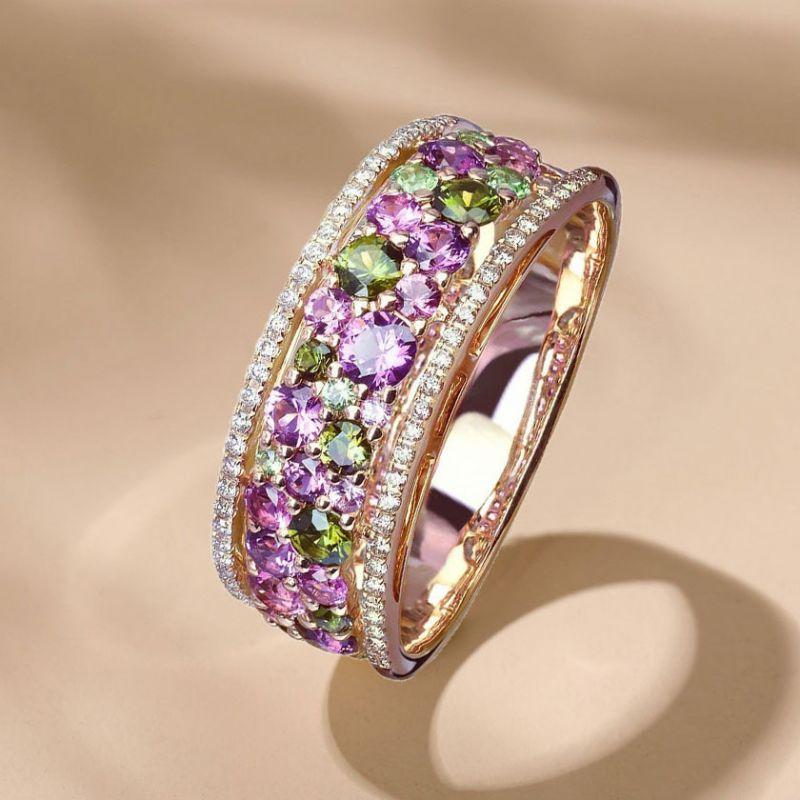
Diamonds may be traditional, but they are no longer the only choice for an engagement ring. Colored gemstone engagement rings bring more personality to the design, whether that means the deep blue of sapphire, the vivid green of emerald, or the romantic warmth of ruby.
Color also changes how a ring feels on the hand. A pale gemstone paired with white gold can look light and contemporary, while a saturated stone set in yellow gold often has a richer, more vintage character. Choosing the right combination comes down to more than simply picking a favorite color.
Popular Gemstones for Engagement Rings
Some colored stones are particularly well suited to engagement jewelry because they combine beauty with reasonable durability.
Sapphire is one of the most versatile choices. Although blue sapphire remains a classic, sapphires also appear in pink, yellow, peach, green, and other shades. With a hardness of 9 on the Mohs scale, sapphire is a practical option for a ring intended for frequent wear.
Ruby offers a very different look. Its red color ranges from bright crimson to deeper, darker tones. Ruby belongs to the same mineral family as sapphire and also has a Mohs hardness of 9, making it attractive for buyers who want both strong color and durability.
Emerald is prized for its unmistakable green appearance. Compared with sapphire and ruby, however, emerald generally requires more careful wear because natural stones often contain inclusions and internal characteristics that can make them more vulnerable to impact.
Other possibilities include aquamarine, morganite, amethyst, topaz, and tourmaline. These stones expand the available color palette considerably, though their suitability for everyday wear varies.
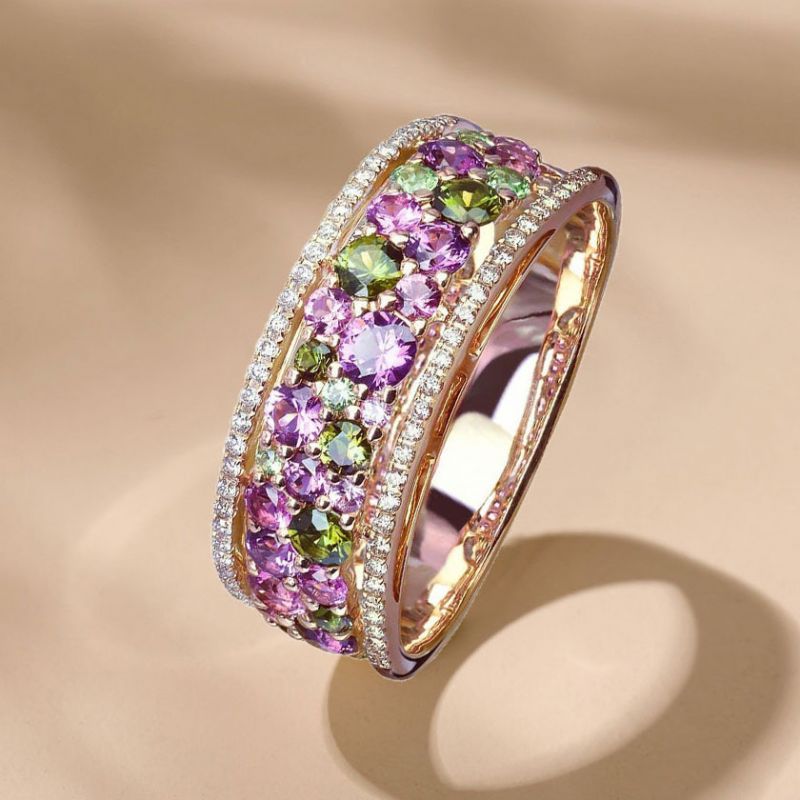
Comparing Gemstone Colors
Color has a major influence on the overall personality of an engagement ring.
Blue: Refined and Versatile
Blue gemstones work particularly well for someone who wants color without an overly dramatic appearance. Sapphire provides darker, more saturated blues, while aquamarine tends toward softer blue and blue-green shades.
Blue also pairs easily with different metals. White gold can emphasize cooler tones, while yellow gold creates a stronger contrast.
Green: Distinctive and Elegant
Emerald is the obvious reference point for green gemstone engagement rings. Its saturated color can make even a relatively simple setting feel distinctive.
Green gemstones are especially striking with yellow gold. White metals, on the other hand, can give the same stone a cleaner and more contemporary appearance.
Red and Pink: Warm and Romantic
Ruby makes a bold centerpiece, while pink sapphire and morganite offer softer alternatives. These colors can work beautifully in solitaire designs, halos, or rings with small diamond accents.
Rose gold is a natural partner for many pink stones, although pairing pink gemstones with white gold can create more visual separation between the stone and setting.
Yellow and Peach: Warm but Less Conventional
Yellow sapphire and peach-toned gemstones offer an alternative for someone who likes warmer colors but wants something outside the usual red or pink palette.
Yellow gold can produce a harmonious, tone-on-tone effect. White gold creates greater contrast and may make the gemstone color appear more pronounced.
White Gold vs. Yellow Gold vs. Rose Gold
The center stone usually gets the attention, but the metal can significantly change how its color is perceived.
White Gold
White gold has a cool, neutral appearance that works especially well with blue sapphire, aquamarine, and stones with cooler undertones. It is also useful when the design includes diamond accents because the metal does not introduce much additional color.
Yellow Gold
Yellow gold adds warmth and creates an appealing contrast with blue and green gemstones. With ruby, yellow sapphire, or other warm stones, it can give the ring a richer, more traditional character.
Rose Gold
Rose gold introduces subtle pink and copper tones. It is particularly complementary to morganite and pink sapphire, but it can also create an interesting contrast with blue or green stones.
Gemstone vs. Diamond Engagement Rings
The biggest difference is visual identity. A diamond engagement ring usually emphasizes brilliance and neutrality, while a colored gemstone makes color the central feature.
There are practical differences as well. Diamonds rank 10 on the Mohs scale, while sapphire and ruby rank 9. Other gemstones can be softer or more sensitive to knocks, heat, chemicals, and cleaning methods.
This does not mean softer stones cannot be used in engagement rings. It simply makes the setting and daily care more important. A bezel or protective halo, for example, may provide additional protection around certain center stones.
How to Choose a Colored Gemstone Engagement Ring
Start with the stone rather than the setting. Consider whether the ring will be worn every day and how much maintenance the wearer is comfortable with.
Next, look at color in different lighting. Two stones described with the same color name can look surprisingly different in person. Tone, saturation, transparency, cut, and inclusions all affect the final appearance.
The metal should then complement the gemstone rather than compete with it. Cool metals often sharpen blue and green tones, while yellow and rose gold can add warmth.
Proportion matters too. A large gemstone is not automatically more attractive than a smaller one. The relationship between the center stone, side stones, band width, and setting height usually has a greater impact on how balanced the finished ring looks.
Shopping for Colored Gemstone Jewelry
When comparing gemstone jewelry online, clear product information is particularly useful. Look closely at stone dimensions, setting style, metal specifications, and available images rather than judging a piece only by carat weight.
For shoppers exploring jewelry from Next Necklace, the brand offers Free Shipping and a 30-Day Return policy. These services can be useful when purchasing jewelry online, especially when comparing how different gemstone colors and metal combinations suit a personal style.
Finding a Ring That Feels Personal
The appeal of colored gemstone engagement rings is the freedom they offer. A blue sapphire can feel timeless, an emerald can create a dramatic focal point, and a pink or peach gemstone can make a familiar engagement-ring silhouette feel completely different.
Rather than choosing color alone, consider the complete combination: gemstone, durability, cut, setting, and metal. When these elements work together, a colored engagement ring can feel personal without sacrificing the qualities needed for a piece designed to be worn for years.
 SIMILAR STORIES
-

Aquamarine Birthstone Bracelet for Women: A Timeless Touch of Elegance
Read story -

Birthstone Pendant Necklace: Find the Perfect Metal and Style
Read story -
Modern Unique Engagement Rings: Stand-Out Styles for 2026
Read story -

Colorful Gemstone Necklace: A Bright and Timeless Way to Wear Color
Read story -

How to Style Art Deco Jewelry: A Modern Guide to Vintage Glamour
Read story -

Oval Aquamarine Engagement Ring: A Fresh Take on Something Blue
Read story -
Colored Gemstone Engagement Rings: A Guide to Color, Stones, and Metals
Read story -

What Is a Garnet Birthstone Bracelet for Women and What Does It Mean?
Read story -
Art Deco Jewelry for Women: Timeless Glamour with a Modern Edge
Read story -

Tennis Necklace vs Pendant Necklace: Which Style Is Right for You?
Read story -

Which Green Gemstone Necklace for Women Is Right for You in 2026?
Read story -

What Do Ruby Earrings Symbolize? Love, Power & Protection Uncovered
Read story -

The Pink Sapphire Drop Earrings Guide: Elegance, Style, and Sparkle
Read story -

Is an Aquamarine Jewelry Set for Wedding Wear Right for Your Bridal Look?
Read story -
Blue Sapphire Necklace for Women: Elegant Styles and Color Ideas
Read story